
When we take our writing seriously, we acknowledge that it’s not merely self-expression, but communication. To become better communicators, I think storytellers benefit from considering these three questions. Some writers will best use them as edit tools, to assess and improve clarity and intention. Others will prefer to use them as planning tools, to organise their thoughts before they begin.
1. Where’s the struggle?
Imagine you attend a workshop with a writer you admire. You’re excited and nervous. Maybe you’ll impress writer dude! But then you notice a huge splodge of porridge in his beard. You glance around, horrified, as he begins to speak. Can no one else see? You’re so anxious about the porridge, you don’t hear the question he asks you. He looks at you kindly, as if you’re an idiot. Still, nobody is saying anything. And now, if you get up the courage to gesture timidly, he’ll be mad you left it so long. You’ll be the person who embarrassed the great writer dude. He’s glaring as he repeats himself…arrgh!
Conflict is just struggle. Most stories begin by introducing some kind of charge: an event, small or large, hand-picked to discombobulate your lead character. It doesn’t have to be dramatic, but the bigger the charge, the more your story will benefit from set limits – usually on time frame, setting and point of view. The hour in the kitchen after the wife asks for the divorce – not the whole year. Stay in the pub after the explosion, developing the growing link between two characters – don’t have them running across country. Think ‘narrow focus’ and the depth that can create.
2. What’s going on in the end?
As readers, when we like stories – whether we think them funny, profound, or beautiful – what we often mean is that the ending ‘worked’ for us. And no, that ending does not have to be a revelation or uncovering – the famous ‘twist.’ Or be ‘open’. I suggest you be very honest with yourself about that ‘open’ ending, where the reader is airily left to make up their own mind. Maybe the porridge gets wiped off the face, maybe it doesn’t. Everything is all relative anyway, isn’t it? Well, sometimes. But readers came for an experience. This doesn’t mean you can’t have an open ending – some of the best stories allow for a myriad of interpretations. Just that you shouldn’t leave your story ending open because you can’t …close it.
So how do you assess your ending? Change. If your POV character is different, a little or a lot, circumstantially or psychologically, as a result of the events in that story, you’re good to go.
3. What’s the story for?
Or a well-known author said to me recently, “Once upon a time… what?” At the very heart of any story, lies your own personal propaganda – and you should be robust about it, What are you trying to say about life, or balloons, or masculinity, or cake-making? What ideas do you want us to consider? What is the story’s purpose? At some point you need to answer this question, for yourself. Why? Because identifying your intention helps you draft.
When you know what something is for, you know what to delete. Your description of the Scottish moors may be beautiful, but if the moors don’t help you make your point that life is difficult for women until they fight back, the grassland’s got to go. And if you find you’re more interested in fells than powerful women today, just pivot – and decide what you want to say about moors.
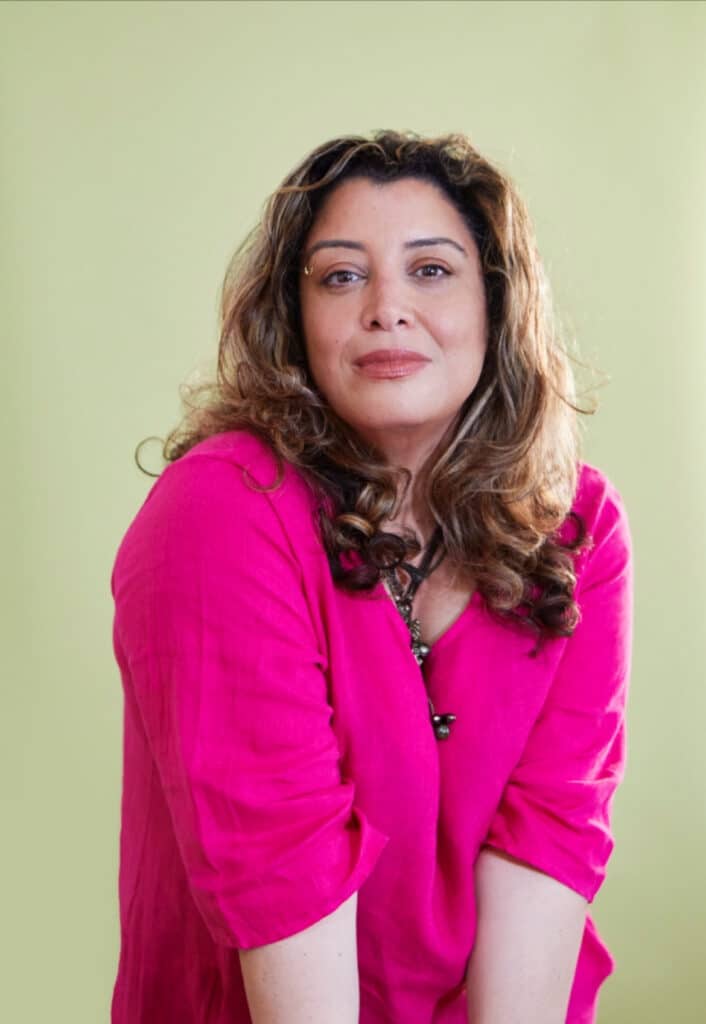
Leone Ross was our 2025 Short Story judge.
The 2025 competition is now closed. For current deadlines, entry requirements and how to enter, please visit our Short Story page.

Related Articles
The Novel Shortlist 2026

Memoir writing. Keep it legal
By Euan Thorneycroft
Literary Agent