

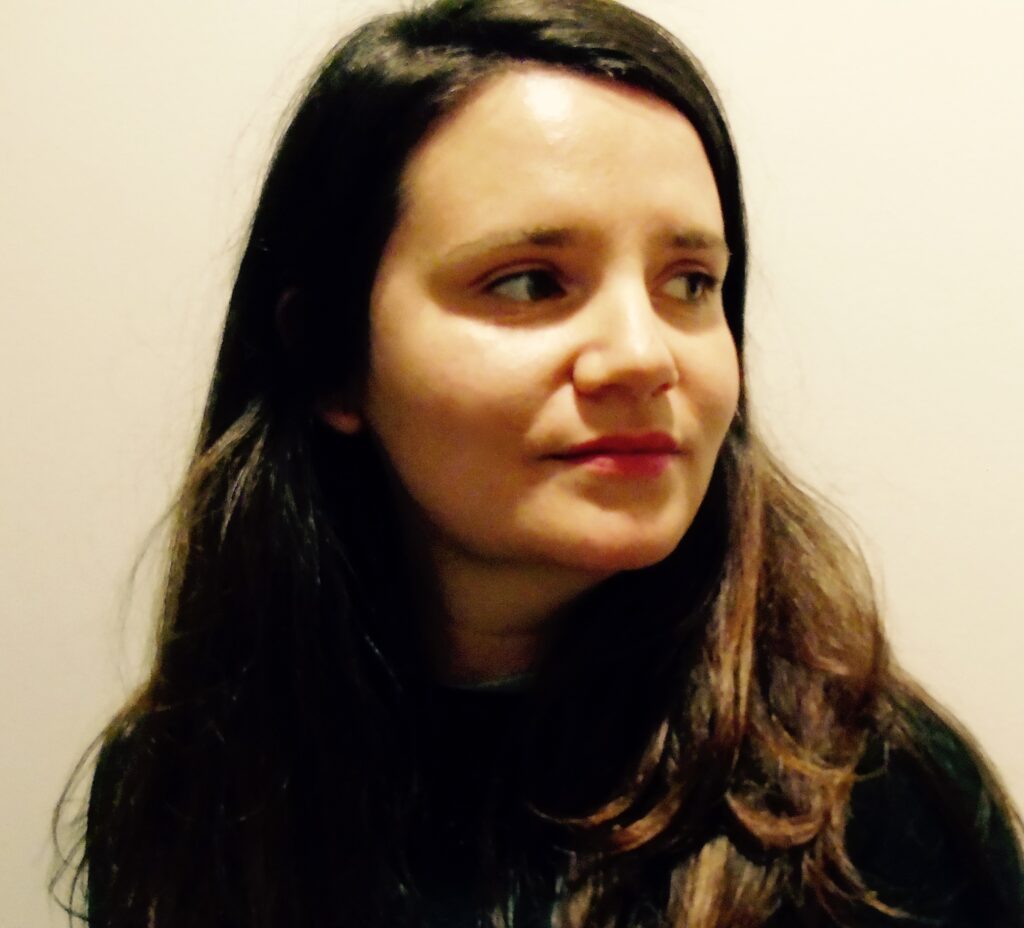

I applied for the Bridport First Novel Award in 2024 in the spirit of “nothing to lose”. I had been writing for years and was in the early stages of a novel project but was a long way from a completed draft; sending in my submission was part of an attempt to get something of that writing out into the world.
Just applying gave a boost to a project I was working on in bursts whenever I could find the time. Submitting a script of 30,000 words across three instalments, from open submission to first the long-list and then, astonishingly, to short-list, was invaluable in and of itself because it galvanised me into clarifying the shape of the story I had been working on disconnectedly and in private.
Reaching the long-list is its own prize, as excerpts from the 20 long-listed submissions are published as part of Bridport’s annual anthology and sent to a list of literary agents. It was the first time my creative writing was published and I was honoured to be included in its pages alongside the 19 brilliant authors in my cohort. A big part of what I found so precious about the prize is that it introduced me to a community of writers and book-lovers – symbolically in the case of the anthology, and literally on the day of the prize reception.
Judge Ross Raisin, whose writing I so deeply admire; 2021 first novel award winner Fiona Williams; and all the other wonderful writers and poets across the different prize categories I met with on the day. I am grateful to have since developed friendships with my peers from the novel short-list, and the Bridport staff were and remain incredibly supportive. The prize included a meeting with Euan Thorneycroft of the literary agency AM Heath and a mentorship with The Literary Consultancy, both of which have been vital to my understanding of the publishing process and continued writing.
The prize has profoundly shifted the way I approach my writing. Having written for years “on the side” of work and family, I can allow myself to think of it now as a practice, something I am bound to develop because of the care and attention the judges and readers showed to my chapters. The Literary Consultancy has been instrumental to me keeping this practice going. With the help of Director Aki Schilz and Head of Writing Services Joe Sedgwick, I was paired with mentor Anna South, who has been reading my novel-in-progress in instalments of 10,000 words and sending me thoughtful and detailed critical feedback at every stage.
Understanding that each writer is different, and often at very different stages of their writing, TLC take great care to match writers with a mentor that is right for them. Writing, for me, is not a linear process, and having regular contact over time to such an experienced and excellent mentor as Anna makes me not only keep writing but want to be a better writer.
TLC and Bridport are also great resources when it comes to the mechanics of the publishing industry; TLC organises an industry day that prize-winners are invited to attend, and which includes talks with literary agents and publishers, while Bridport hosts online events with industry professionals and authors. Attending these while I continue to write provides important grounding in the realities of publishing.
Writing has always been a passion; Bridport has given me the opportunity to meaningfully pursue it. Winning the first novel award has been a miraculous gift and I am indebted to the judges and readers who saw something in my pages.

Related Articles
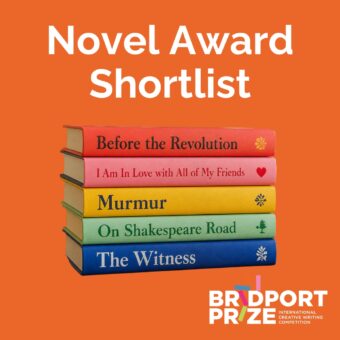
The Novel Shortlist 2026

Memoir writing. Keep it legal
By Euan Thorneycroft
Literary Agent