

Masterclass with…
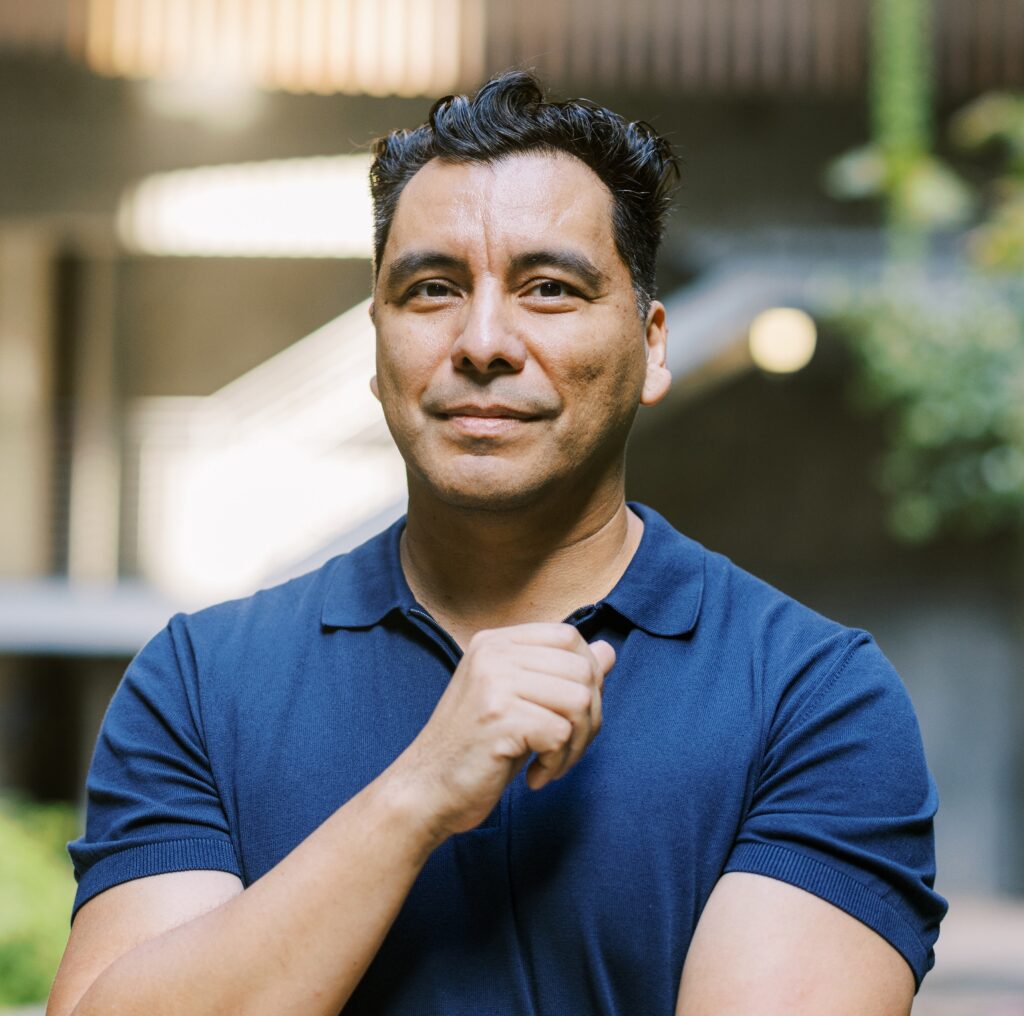
Manuel Muñoz, award winning short story writer and novelist
The hard work of writers is always evident
In the past few years since receiving a MacArthur Fellowship, I have been asked to judge several book awards and a few contests for individual stories and essays. I honor the confidentiality required to judge with candor and discretion, but it is always a tough assignment. The hard work of the anonymous writers is always evident and the choices feel impossible. Sometimes I wish I could consult with a fellow reader, but the narrowing down of the riches continues until I must select a recipient.
What do I look for in a manuscript?
My students, still in the midst of shaping their own books or crafting their first stories for journal submissions, often ask me about the process. What do I look for in a manuscript? How do I make my choices? This is hard to say, as each batch—indeed, each contest—is unique. The assumption might be that, as judge, I would steer toward writing that is like my own. But the more one reads, the clearer it becomes that we as writers arrive with a mind-boggling array of story approaches.
Rising from the stack of entries…
However much we might feel that every story has been told in one form or another, the intimate divergences from the recognizable spin some works into their own atmospheres. They rise from the stacks of entries almost on their own, their voices arresting from the first few sentences. Once a story manages the illusion of sustaining that voice until the last page, I know it’s the magic of a wonderful writer.
We all know the feeling of being held in midair
This should come as neither surprise nor revelation. In the days of browsing bookstores, maybe a book cover or the jacket copy lured us into opening the first pages. But we all know the feeling of being held in midair by a powerful first page, a mystery that keeps us reading onward, hoping the spell will not break.
Radically fantastical stories
In the past eighteen months, my judging has allowed me to encounter radically fantastical stories set across the Korean diaspora (an chang joon’s God-Disease); an irreverent, comic account of a young adulthood full of wrong choices, somehow brilliantly arranged as an alphabetic cocktail guide (Krystal Anali Vazquez’s Lady Without Land); and a suite of expansive, bittersweet stories, many of them prominently featuring queer characters changing over many years (Bill Gaythwaite’s A Place in the World). All of these books are so different from each other and yet they all shared the blend of purpose, unique vision, and love of story. I could tell that the writing mattered to each of these writers and that they had taken great care to arrange their gift of story just so.
A great story is a gift
That is how I see a great story, after all—a gift. A great story speaks to us not only in the moment we first unwrap it, but sometimes years later, when experience—our ups and downs—reconfigures a story’s hidden possibilities. That is what I hope to encounter as I begin my reading for the Bridport Prize: a sense that we will not only have great stories on our hands, but that these will be stories that will have reasons to stay with us, getting us to think, if not transform.

Related Articles

Tips for Writing and Editing Your Memoir

Memoir is Autobiography without the boring bits!